White County Sex Offender Checks
The official starting point is the Georgia Sex Offender Registry, operated by the Georgia Bureau of Investigation and its Georgia Crime Information Center. Choose White as the county or use a name when the person is known. For someone who may live outside White County, check that county or state as well. The National Sex Offender Public Website adds a multi-jurisdiction search.
White County does not publish a separate local registry interface in the research. The sheriff supplies and corrects White County registration details, while GBI runs the public database. That split matters: use the state portal to search, then call the residence sheriff about a suspected bad address or failure to comply. Use the convicting court for the charge, plea, sentence, or appeal behind an entry.
White County Registry Update Timing
GBI describes the registry as a changing database built from information sent by contributing agencies. Sheriffs generally update supplied information within two business days, and the public registry updates daily. A recent move or new registration may therefore pass through two steps before it appears in a White County sex offender lookup.
A result should be treated as a dated official record, not a promise of present location. GBI also warns that the database cannot be guaranteed free of error. Record the date of the search, then use the White County Sheriff's Office when a location appears wrong. For an urgent safety threat, call 911.
Note: A daily public update does not mean every new local fact has already reached the state system.
Georgia Sex Offender Registry Searches
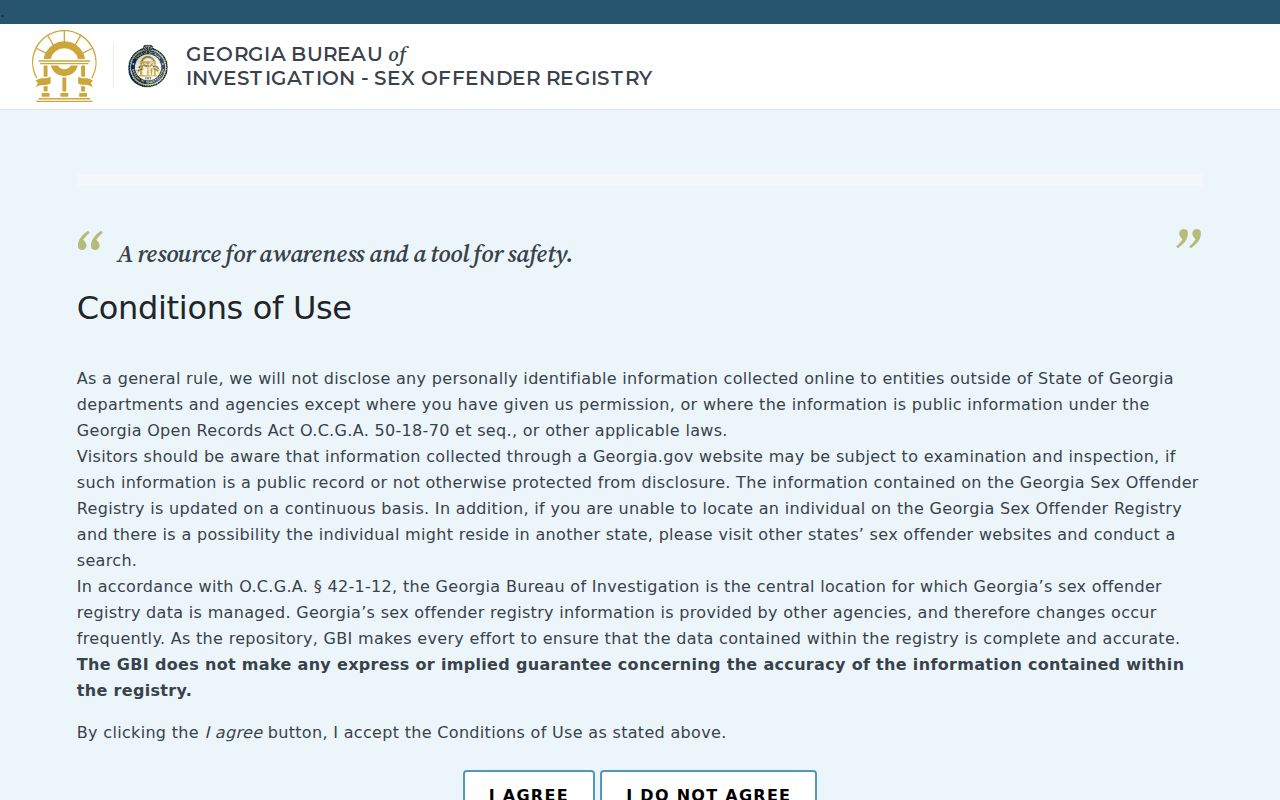
The Georgia Sex Offender Registry first presents conditions of use. A visitor must agree before entering the search. The available official documentation confirms searches by name and county; options that could not be verified are not assumed.
- Open the official registry and read the conditions of use, then select “I agree” to continue.
- Enter a name when known, or choose White in the county control for a local list.
- Review the result set and compare more than one identifier before opening a profile.
- Read the full profile, note its registration status, and verify concerns through the proper sheriff or court.
| Field or control | Type | Required | Use |
|---|---|---|---|
| Conditions of Use | Buttons | Yes | Select “I agree” to enter the registry. |
| Name | Text search | No | Use the known legal name; confirm aliases in a profile. |
| County | Selection | No | Choose White for county-based results. |
| Search, reset, results | Controls | As needed | Labels may vary with the current session. |
The official registry search interface is shown in the captured source below. It keeps the search tied to the agency that maintains the statewide public system.
When a White County Search Misses
No result does not prove that no qualifying history exists. GBI identifies several possible causes: search terms may be wrong, a person may be registered in a different county or state, or new information may not yet have been sent. A person may not be legally required to register, may have completed First Offender treatment successfully, may be deceased, or may have had a juvenile case that was not tried as an adult.
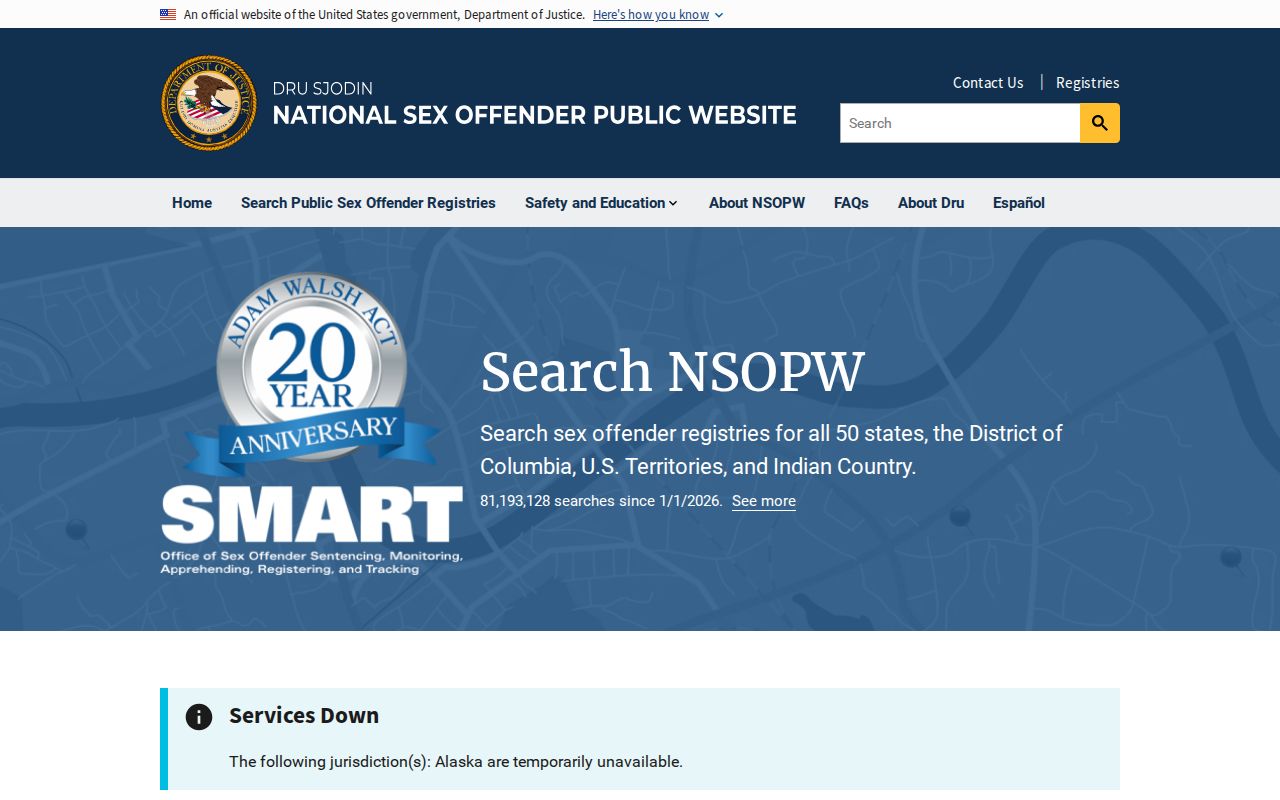
Try a name variant, remove extra criteria, and search nearby jurisdictions. Use NSOPW when interstate coverage matters. If the question concerns the underlying conviction rather than current registration, request the case file from the convicting court. A White County registry check and a criminal docket answer different questions.
The U.S. Department of Justice national search provides the official cross-state layer.
Registry Profiles: What They Show
A public profile combines identity, qualifying-offense, and later compliance information. The offense and conviction jurisdiction point to the event that triggered registration. Address and status fields come from later reporting. That mix is why a registry profile should not be read as a full White County court record.
| Name and aliases | Published identity names used to distinguish records. |
|---|---|
| Photo and description | A current photograph and physical identifiers supplied under Georgia law. |
| Residence or sleeping location | The reported location, which may require direct verification if disputed. |
| Work, school, and vehicles | Information required for public display under the applicable registration rules. |
| Offense and jurisdiction | The qualifying offense, conviction, and court jurisdiction, not the whole docket. |
| Status and classification | Registration standing and the assigned Level I, Level II, or predator classification. |
Dates, exceptions, and legal status can affect what is shown. Searchers should avoid drawing conclusions from one field alone. A shared name, old photograph, or stale address can cause a bad match.
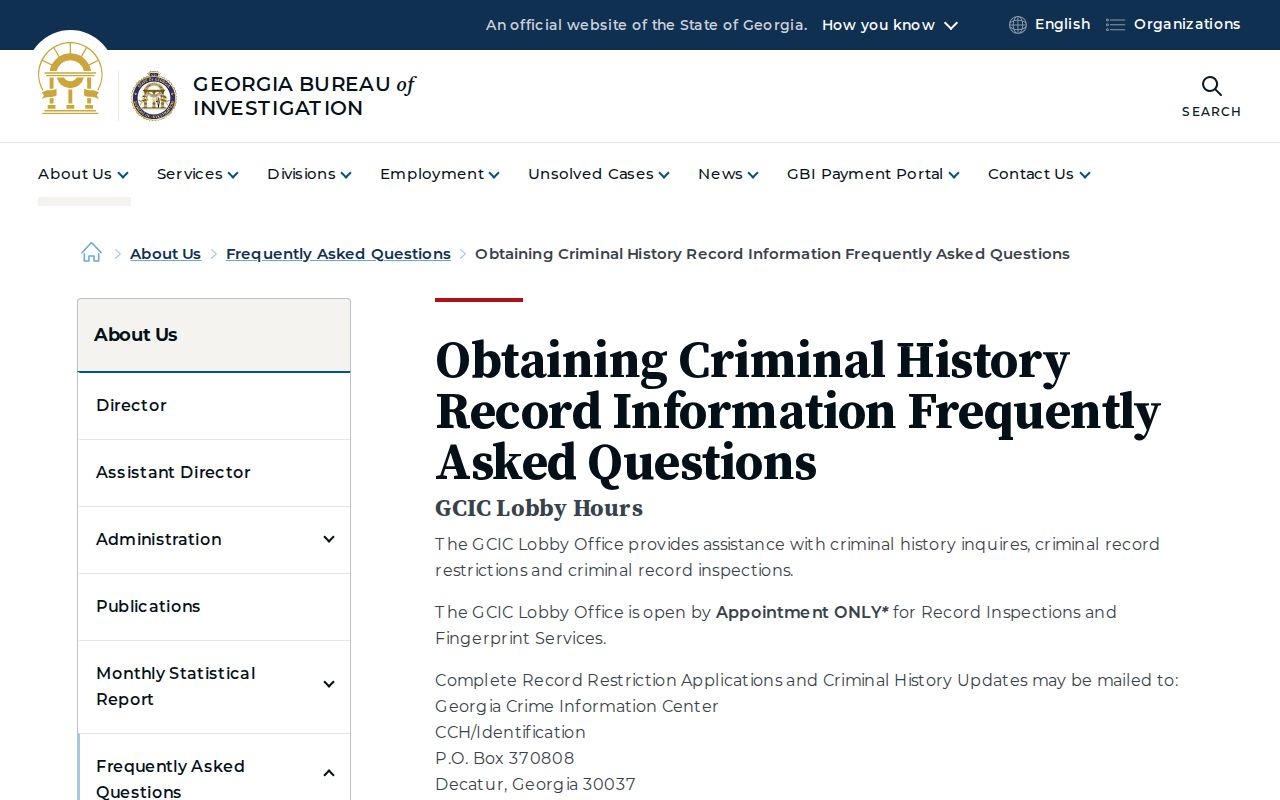
The GBI record access explanation shows why a registry profile and a full history answer different questions.
Registering at White County Hulsey Road
The White County Sheriff's Office is the local registration and correction point. Georgia generally requires in-person reporting to the sheriff within 72 hours after release or placement, or after entering the state. Specified changes also carry 72-hour duties, and an address move requires notice to both the old and new sheriffs within 72 hours before moving.
White County Sheriff's Office
1210 Hulsey Road
Cleveland, GA 30528
706-865-5177
Call for an appointment and current hours because no registry-specific schedule is posted.
Initial entry may originate with the Georgia Department of Corrections or the State Board of Pardons and Paroles for a Georgia sentence. GBI handles the entry path for a person relocating from another state. Sheriff updates follow after that first routing.
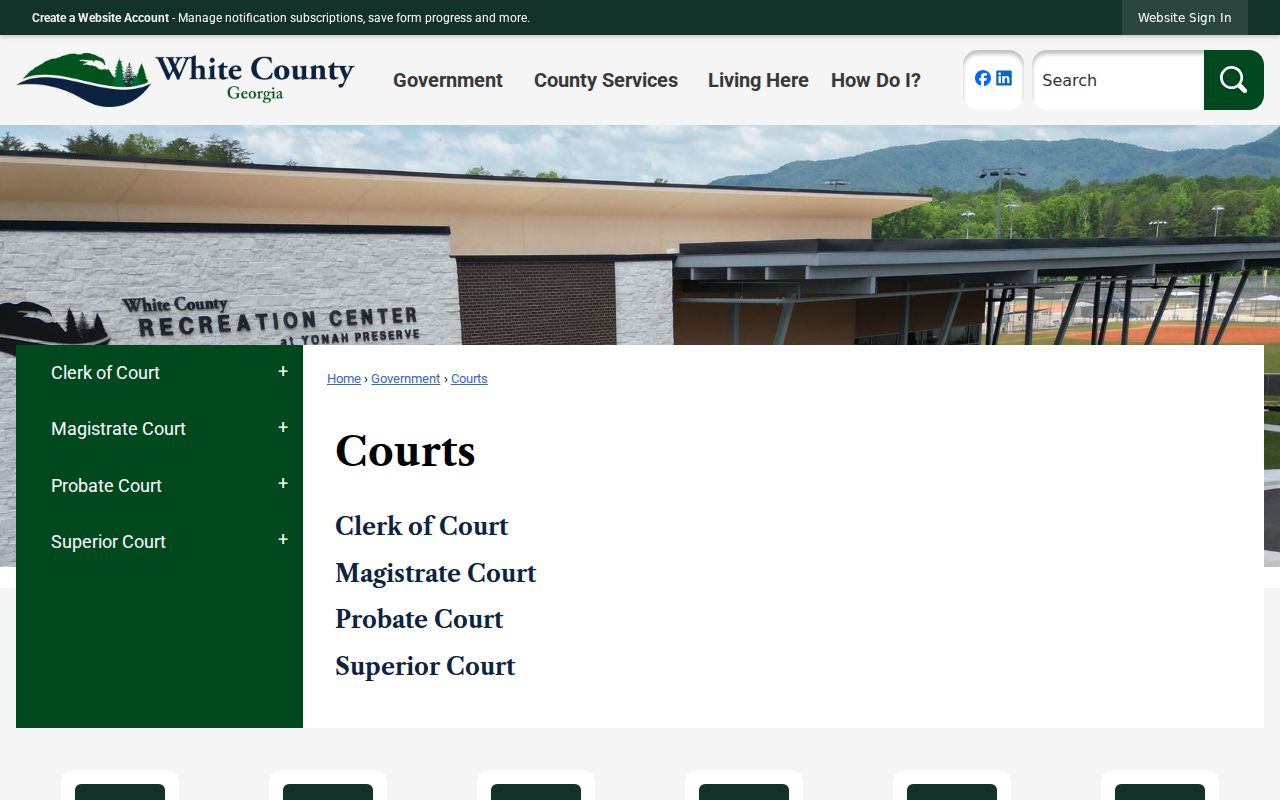
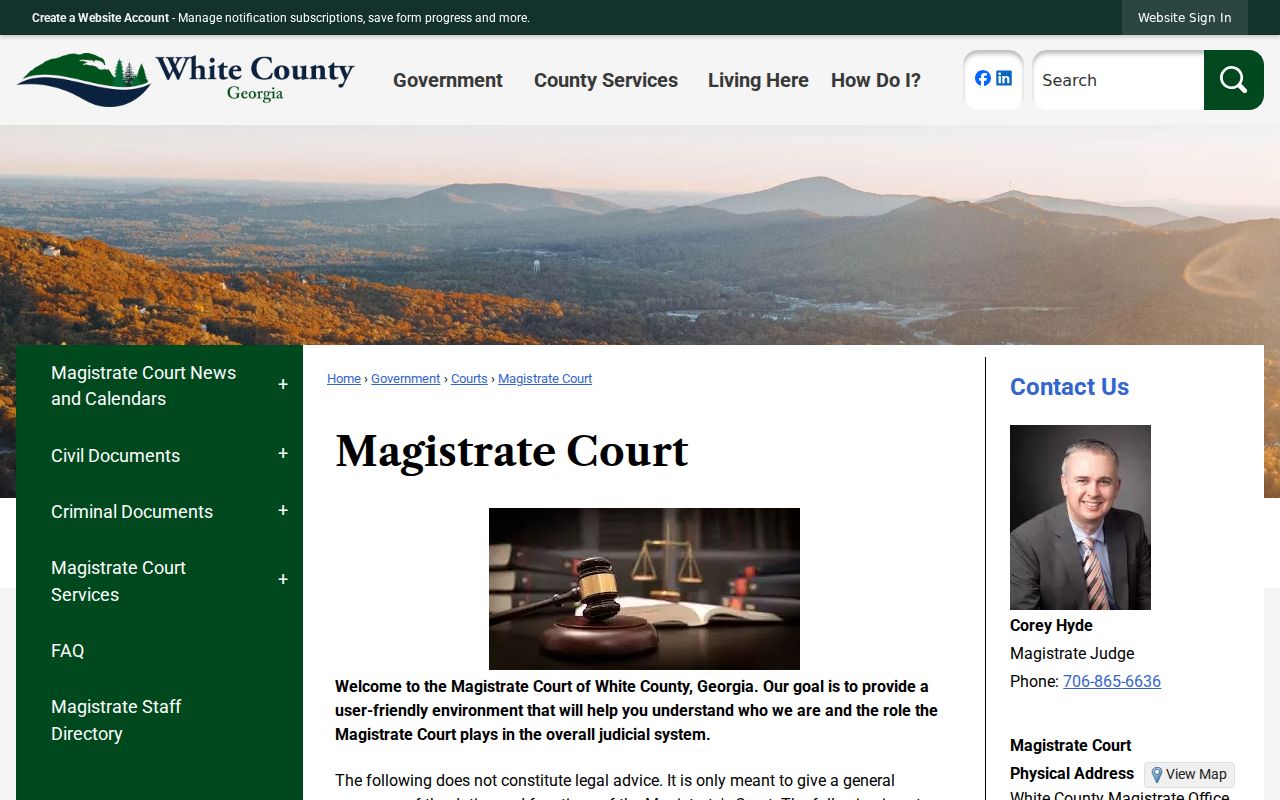
The White County Magistrate Court page documents the local warrant and misdemeanor route.
Note: Report a suspected White County address error to the sheriff, not to a resident or property owner.
Registration Levels and Duties in Georgia
Georgia uses risk classifications, not a simple public system of 10-year, 25-year, and lifetime SORNA tiers. The Sexual Offender Registration Review Board assigns classifications through its statutory process. Registration is generally lifetime at baseline, while classification can affect reporting and the posture of a request for court relief.
| Georgia classification | Meaning and duration | Verification |
|---|---|---|
| Level I | Low risk; generally lifetime baseline, with possible support for statutory relief. | Annual in-person birthday verification. |
| Level II | Intermediate risk; lifetime baseline and a more restrictive relief posture. | Annual in-person birthday verification. |
| Sexually dangerous predator | Future dangerous-sex-offense risk designation; lifetime baseline. | Annual birthday verification plus reporting every six months. |
Annual verification occurs within 72 hours before the birthday and includes a photograph and fingerprints. Giving false information or failing to comply is a felony under Georgia law, with penalties that rise for a second offense. Classification is not the same as a sentence, probation term, or parole decision.
White County's 1,000-Foot Boundary Rule
For relevant conduct after July 1, 2008, Georgia law generally restricts residence or volunteer activity within 1,000 feet of a child care facility, church, school, or area where minors gather. The measurement runs from property boundary to property boundary, not from a map pin or building door.
Dates and statutory exceptions matter. A rough distance measured with a consumer map is not a legal finding. For a concern about a White County location, give the sheriff the registry link, the observed issue, and the date. Do not visit the address to measure or investigate.
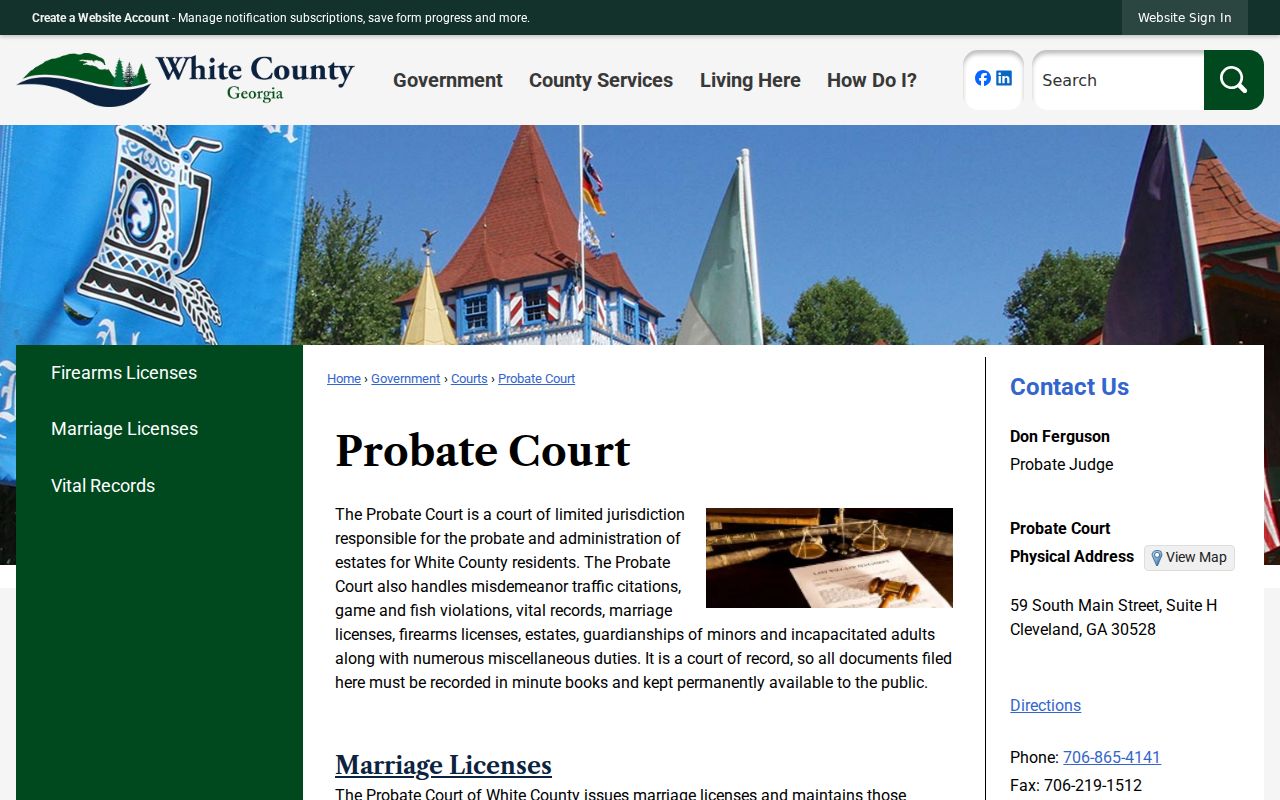
The White County Probate Court page shows that traffic and game-and-fish matters use a separate local court route.
White County Registry Removal Petitions
Risk classification and removal are separate decisions. Under O.C.G.A. §42-1-19, a qualifying person may petition a court for relief. Depending on the statutory path, the process can require completion of the sentence, enough time since completion, or Level I classification.
The petition usually goes to the convicting Superior Court, or to the residence county for an out-of-state conviction. The district attorney and relevant sheriffs receive service. The court must decide whether the person poses a substantial risk of committing another dangerous sexual offense and may grant full or partial relief. A denied petition generally cannot be filed again for two years.
This process does not guarantee removal merely because a person has Level I status. It also does not mean every lifetime registration has no route to review. A court order, not a change typed into the public search, controls relief.
Using Registry Information Lawfully
The Georgia Sex Offender Registry supports community awareness and personal or family safety. It does not authorize confrontation, surveillance, threats, or punishment by members of the public. Verify an uncertain White County location with the sheriff and use court records for the underlying case.
Misuse warning: O.C.G.A. §42-1-12 prohibits using registry information to harass or intimidate a registrant. Threats and vigilantism can also lead to criminal consequences. Report concerns to law enforcement.
For database or technical questions, the GBI registry unit can be reached at 404-270-8399. For suspected noncompliance at a White County residence, call the White County Sheriff's Office at 706-865-5177. Call 911 only for an immediate danger.
The White County court directory helps route a request for the conviction file when a registry profile is not enough.